Oscar-winning composer Rachel Portman will join us at Chichester Cathedral on Saturday 21 November for a very special evening exploring two distinctive sides of her musical career: her celebrated film scores and her work for choir.
Ahead of the event, film music writer Paul Tonks spoke to Rachel about her approach to composing for film, the inspiration behind her choral music, her connection with Sussex and what audiences can expect from the evening.
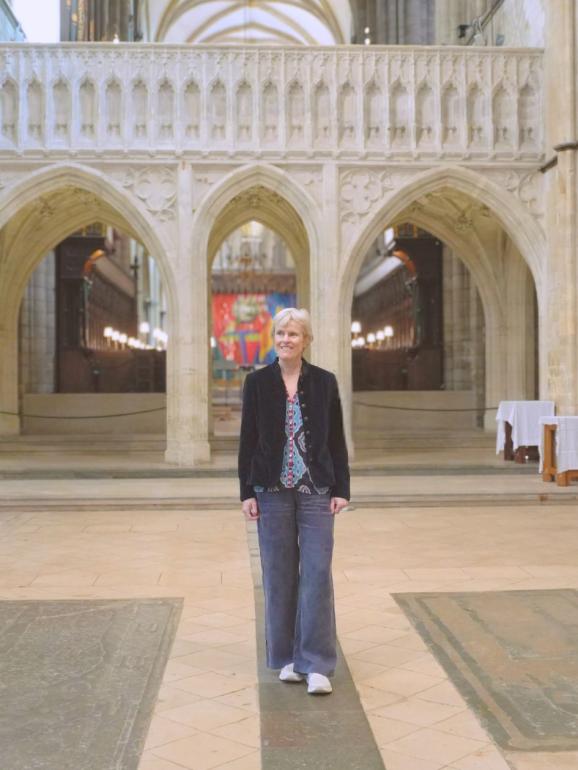
Paul: When you begin writing for a project, is there a best inspirational spark. A character, emotion, an image or anything else?
Rachel: In a film, I'm always looking for the part that speaks to me the most. When I start working on a project, I watch the film several times and I'm soaking up absolutely everything that's there. So, the characters, the story, the emotion, the setting and the time period and everything.
But what I'm really looking for, in terms of writing the music, is the part of the film that speaks to me that I think ‘oh, I could write something there; I feel like writing something for this scene.’ And then I work from that outwards. I usually don't write the front titles or the end titles till the very end.
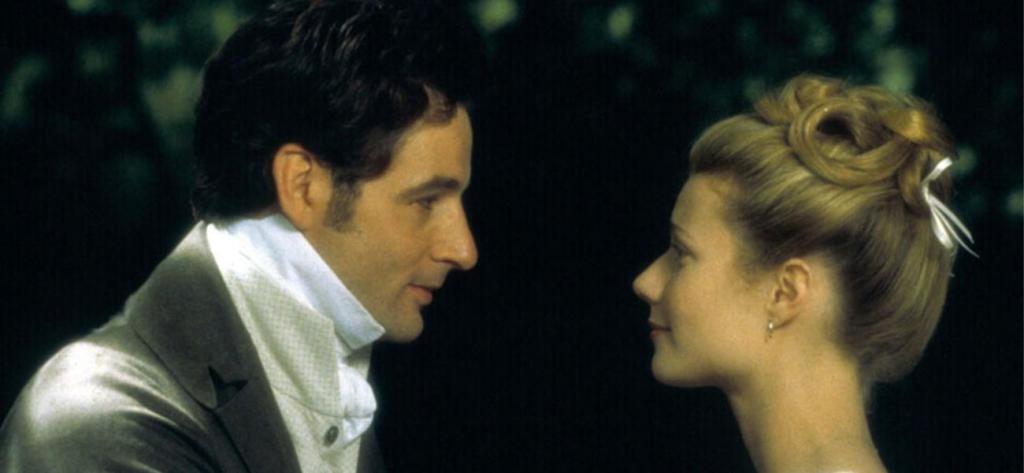
Paul: You've written more than a hundred film and TV scores. You just mentioned one that's obviously a very fond memory. Do any others remain the best possible of experiences from start to finish in your memory?
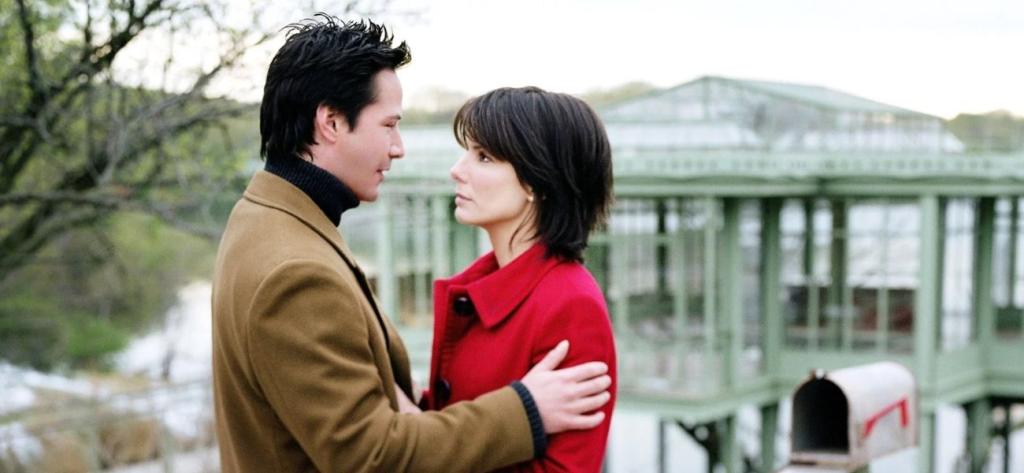
Rachel: There's so many. I got to work with Robert Redford. He directed a film called The Legend of Bagger Vance. I worked with him really closely on that. It was amazing to work with him as this great icon of American cinema, who was an extraordinarily generous man and full of stories and anecdotes and really wanted to talk to me about the story and was extremely generous with his time.
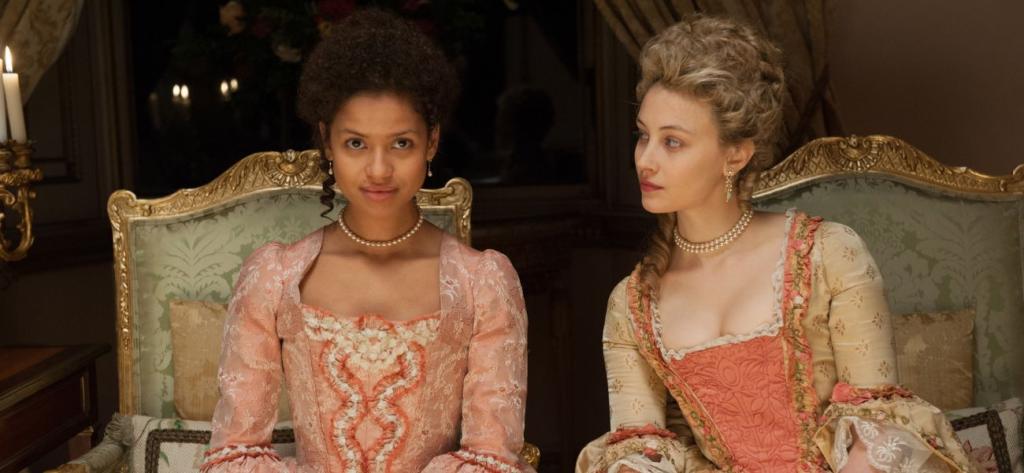
I worked with Roman Polanski. I remember eating oysters or trying to eat oysters in Paris with him. Very uncomfortable because I was really essentially a vegetarian and trying to look like I knew what I was doing. Some of my most wild experiences were with a wonderful director called Jonathan Demme, who is best known for Silence of the Lambs. I did three films with him, and he pushed me into writing scores that didn't use any traditional instruments. Particularly on a film of Toni Morrison's Beloved, which was a very difficult film. People find it very difficult. It's not a film that's widely been seen. It was such a brave film to make and all the instruments that we used originated from Africa or were homemade. What a thing to be asked to do. He said, “I'd love you to do this, but if you do this, you can't use any Western instruments at all.”
And I was like, “bring it on. That's great. I'd love to do that.” It took me a year, and I wrote huge amounts of music. It was great to have an opportunity to go into a piece of work in such depth. And that's not always the way in film, that you get given the opportunity to go deeper, because of the time constraints.
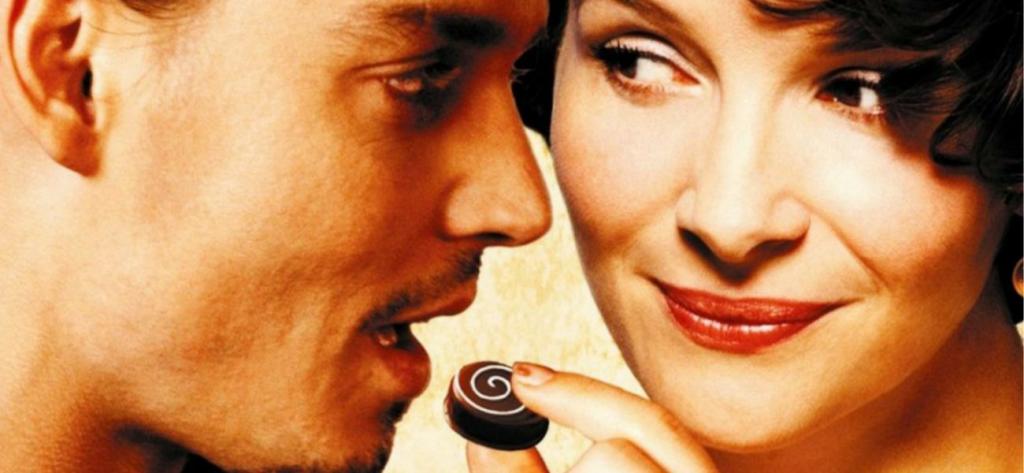
Chocolat was another one. I had three and a half weeks to write Chocolat. I loved writing the score for that. And I discovered a huge love of chocolate, which I hadn't had before at all. It got me through, and it was a joy to work on that, because it just all came together so easily.
So many, many, many good experiences.
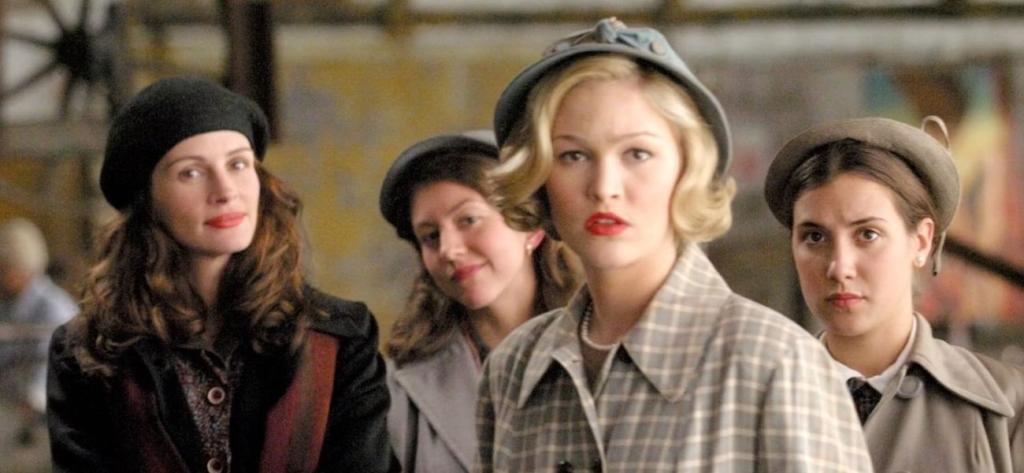
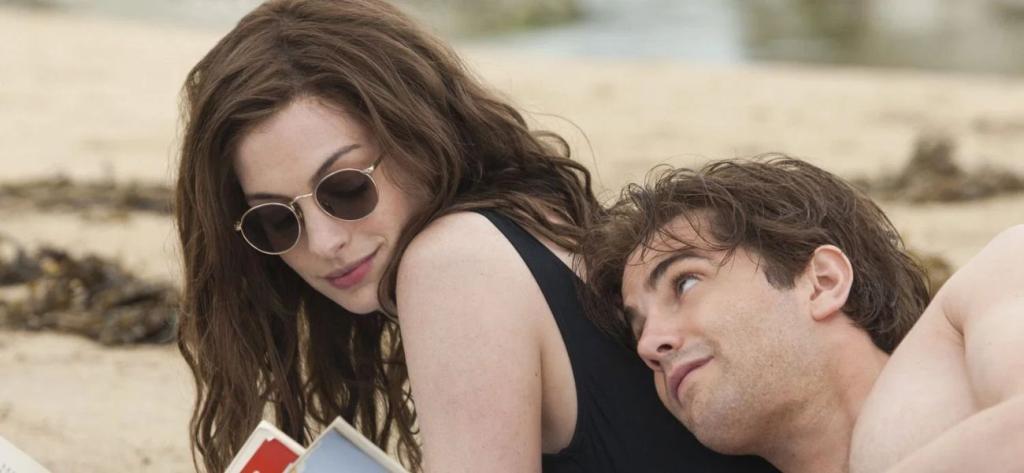
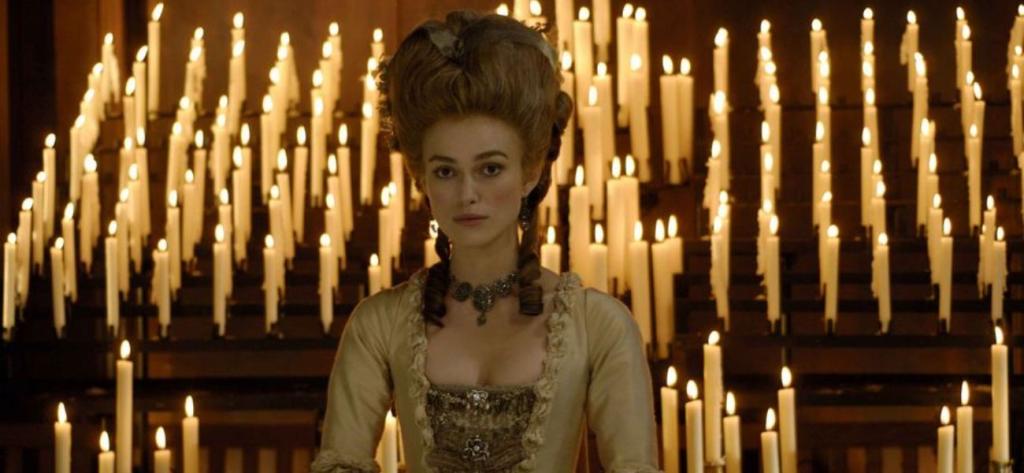

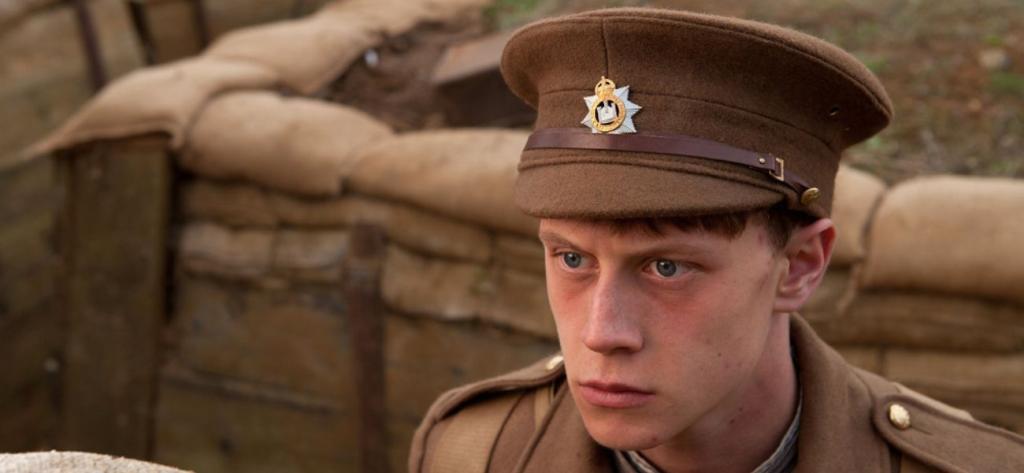
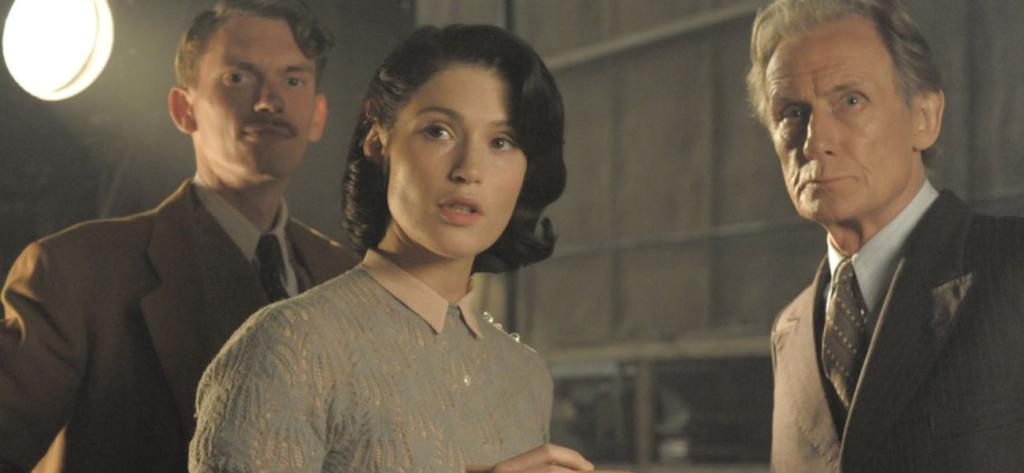
Paul: It must then be very difficult for you in selecting what to include in a programme such as there'll be at the Chichester Cathedral event. How do you make a selection?
Rachel: Well, this evening is really about lifting the lid. It's an evening of conversation in part with clips. And there will be a bit of live music in the first half. It's really to talk about the stories of making the music for these films, but also to show how it's done, which a lot of people are really interested in. To see, ‘gosh, this is what this scene was before music was put on it.’ And ‘why was this music? Why that music? And why like this?’ And then I'll illustrate it with film clips and stories. And then yes, you're quite right, what to include?
I'm thinking about ‘what's fun? What illustrates things well?’ And ‘what are people interested in, that they didn't know?’ And then the second half will be a chance for the Cathedral Choir to sing a bunch of my choral works, which alongside film, I do quite a lot of music for the concert hall. I've written quite a lot for voice as well. I'm thrilled they're going to be singing a few of my pieces. It's a real mixture. I'll play a couple of pieces on the piano as well.
Paul: The Concert will include your pieces: The Darkling Thrush, The Gathering Tree, It Felt Love & We Were There. In a lot of concert work, you've been writing themes connected to nature and the environment. What were the inspirations in nature for some of those?
Rachel: The Darkling Thrush was a very exciting commission last year for King's College, Cambridge ‘Festival of Nine Lessons and Carols.’ I'm naturally drawn to writing about nature and the environment. It was up to me, really, to find a text. All these wonderful poems have been mined, and it could be anything. My family originated from Dorset and my father always loved Thomas Hardy. It came up early on as I was looking, one of my daughters said, “mummy, what about The Darkling Thrush?”
I thought, ‘well, it does kind of fit with the theme of creation.’ Because if you think about’ The Nine Lessons and Carols,’ they're all the beginning. All the earlier lessons are sort of about creation and renewal. Then I talked to the professor of English at King's. She also suggested The Darkling Thrush. So then I thought, ‘then this must be fine.’ And course, it really fit with the kind of thing I wanted to do anyway. It takes place at the time of year that Christmas does, when everything is cold and bleak. And you're waiting for renewal and the new year. The thrush sings its heart out into the gloom of winter.
The Gathering Tree was a commission for the Last Night of the Proms last year. It's about how we come together as people and as a country, and how important it is to sing and kindness, and how we are all part of this one great big river; this one great big sort of humanity. It’s about who we are at our best when we gather together. And it has a lot of imagery of nature in it.
Paul: Your family were from Dorset, but you are a Sussex resident. I understand that going for walks is a nice opportunity for inspiration. We're surrounded by the wonderful South Downs and the sea’s never far in Sussex.
Rachel: I was born in Sussex. That's my connection anyway with Chichester. I've walked the South Downs Way. I love it.
Paul: In its entirety?
Rachel: Yes, yes.
Paul: Oh, my hat's off to you. That's a trek! I wondered if any of the pieces in the concert have come from inspiration that struck whilst out walking locally?
Rachel: Oh, definitely. Most. I'm hoping to play a piece called Eventide, which is a non-film piece. And that is inspired by nature and the end of the day, and as things calm, the birds go to bed. It's a piece of comfort.
I live in West Sussex on a farm, and I hear the sounds of nature and the birds. It's often very, very loud. I would say, nearly all my non-film work is inspired and written basically in nature. It's where I draw my inspiration. I write in West Sussex in the countryside, on the paths. I’m lucky enough to live in this beautiful part of the world.
I did an album a few years ago called Ask the River, and that is an album of piano pieces and entirely written, immersed in nature. I've got another album in the works with Sony that continues that theme, and Eventide is part of that.
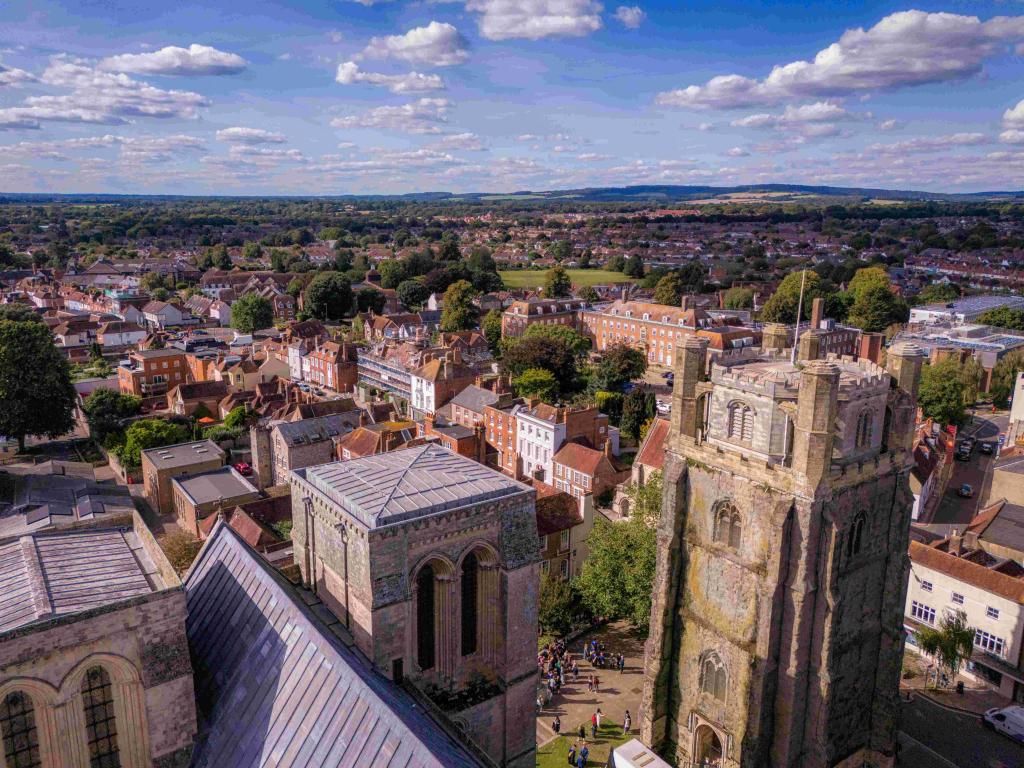
Paul: You’ve mentioned piano a couple of times, and I understand you often refer to your piano as your “best friend.” Would you tell me about that?
Rachel: Everybody has a different way of working. They have their own tools, their own modes and methods of how they get into writing. And for me, I sit and write at the piano. I don't have any other keyboards, or any other electronica at all, except that in order to record. And I obviously have a screen if I'm doing a film. Otherwise, I would be sitting at a desk, like Mozart or Beethoven. I mean, not of their calibre. But I would be sitting, writing in this world that would be very silent. And the piano is a friend in that it stops me from being just in my head. I can have ideas, and I can play them and just sort of try things out.
I wrote an opera of The Little Prince, and I wanted to hear what it was like, I wanted to experience the desert. So, I went on a trip on camels with a friend. I've dragged a friend along on this trip with the two of us on a camel each, and another guide with a camel. We went four days into the desert with no one around. We didn't see anybody. I wrote The Little Prince's main aria, the children's chorus of the stars, everything on the back of that camel. I was immersing myself in the desert. I didn't have a pencil, I didn't have a pen. I had a little Dictaphone thing.
Paul: You mentioned the choral work that's going to be at the Cathedral event. Is there any difference in how you approach composing for the human voice instead of an orchestra?
Rachel: Actually, that's one of the reasons why I have been so keen to write music that is not connected to film, because you can't do that much with choral music in film. You can't set text. I love it because it's like telling stories. If Joyce DiDonato is singing The First Morning of the World over a film where people are talking, it brings in too much. That was my decision, certainly in the first choral piece I really wrote.
The first big commission was the opera of The Little Prince. And that was wanting to do more outside film and not have the constrictions of a film of being told. I love writing music for film, and I'm always fascinated with the alchemy of what happens in a film when you add music. But it's so interesting to set text. And it feels so natural to me to want to sing that. There are many, many different disciplines. I've written a musical that's very different as well. That's setting text, but a very different genre. And then purely orchestral things.
I don't see any reason why as a writer of music, you can't write in all sorts of mediums. Same thing if you're a writer. You can write a novel, you can write a poem, you can adapt a screenplay or stage play. I enjoy new challenges.
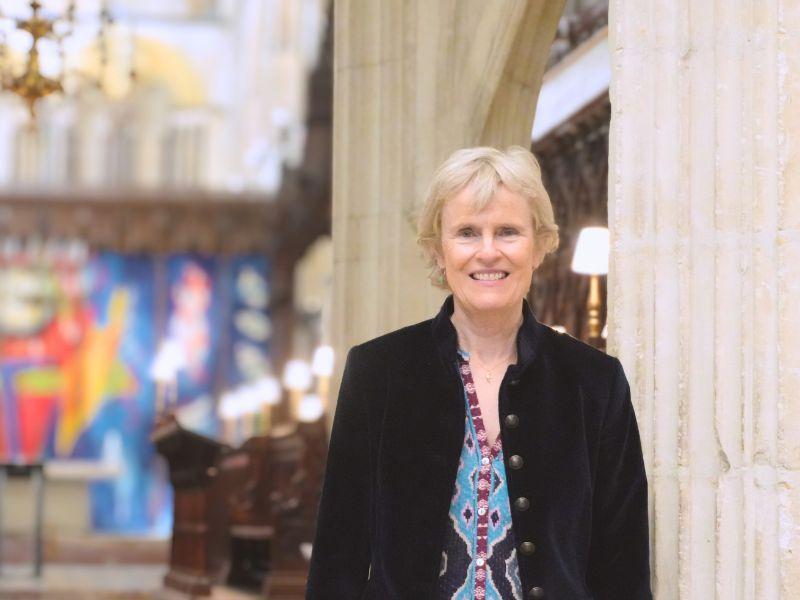
Paul: Is there anything about a cathedral space in terms of architecture and acoustics that informs any of your choices?
Rachel: Definitely. Certainly for The Darkling Thrush, I was thinking a lot about the acoustics in King's; an enormous cathedral. I realised how resonant it would be. While I was writing it, I was hearing the acoustics. I'd been to visit, but I could also imagine. I was listening to the way the sound and the voices float up and the clarity. And I didn't want to do anything that would muddy that. So I really took that into consideration.
Paul: Has any of your music been performed at Chichester Cathedral before?
Rachel: I have written a Magnificat Noctimitus, which I wrote when I was 25. And they sing it often there. I think they'll be doing that too.
Paul: Is there anything about the Chichester Cathedral Choir that can whet people's appetites for what to expect?
Rachel: They're a fantastic choir. It's a wonderful thing to be able to support the choir, which this event will be doing. That's a very important part of it. The future of choral music, cathedral music is so important. This is such an old tradition in our country. And it's unique to this country. The extraordinary beauty of hearing this choir sing in Chichester is luminous. I feel extremely honoured that they're going to be performing a good chunk of choral music in the second half. It's wonderful for me to hear them sing quite a breadth of my music like that. And great to counterbalance that with the first half, which is a very different part of my career.
Join Rachel Portman at Chichester Cathedral
An evening with Rachel Portman: From film scores to choral music takes place at Chichester Cathedral on Saturday 21 November 2026 at 7.00pm.
The first half will take audiences behind the scenes of Rachel's celebrated film scores through conversation, film clips and live piano performance. The second half will see the Chichester Cathedral Choir perform a selection of Rachel's choral works alongside complementary repertoire.
Event details:
- Date: Saturday 21 November 2026
- Time: 7.00pm - 9.00pm (doors open 6.00pm)
- Venue: Chichester Cathedral
- Tickets: £55 Front Nave, £45 Rear Nave, £20 side aisles*
*Note: the side aisles have limited or no view of the stage, but there will be three monitors on both sides, relaying stage action, and film clips.
Click here to book your tickets
Paul Tonks has written about film and film music for many years. His interviews with film composers have been featured in numerous periodicals, sites and books. He is also co-host of Excellent Adventures: The Time Travel Movie Podcast.