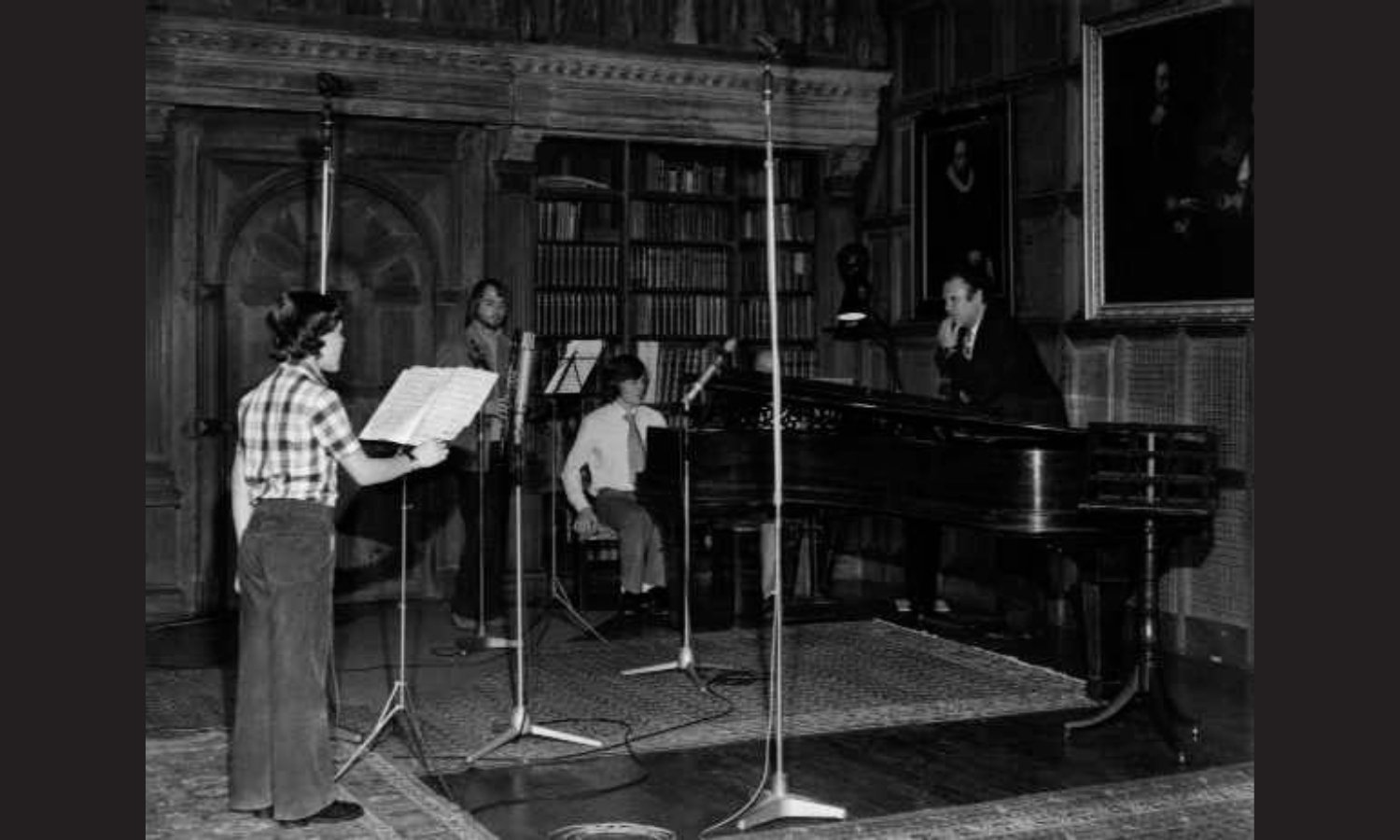
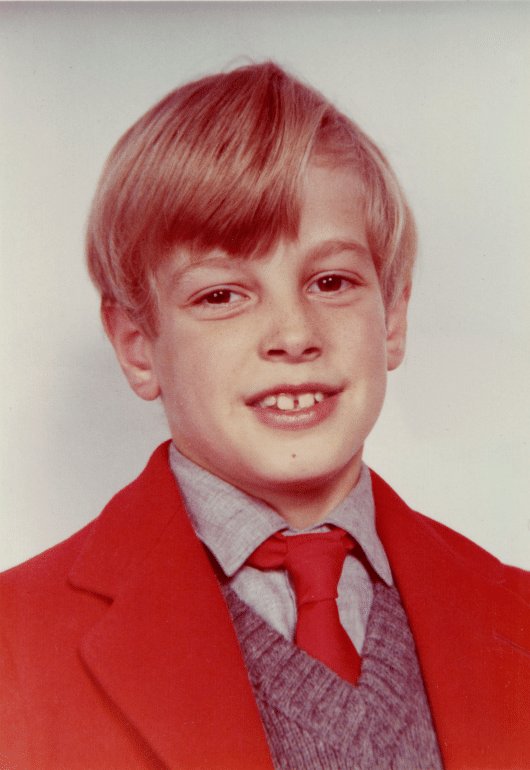
For David Hirst, Christmas 1976 marked the end of an important chapter. His years as a chorister at Chichester Cathedral came to an end with the Boxing Day Carol Service, after which he would leave the choir and move on to the next stage of his education.
By Ellen Cheshire, in conversation with David Hirst
Almost 50 years later, he still remembers it with enormous affection.
It was a golden time in my life. I wouldn’t swap it for anything.
David Hirst
David joined the Cathedral choir as a young boy after growing up in Haslemere, where his love of music had already taken hold. At Chichester, he found himself immersed in music every day, with rehearsals, services and instrumental practice becoming part of the rhythm of his life.
“I felt a real sense of pride in being there,” he remembers. “And as a chorister, I often used to think about how the Cathedral’s very stones had heard singing for 900 years and how amazing it was to be part of that unbroken line of choral music.”
Christmas in the choir
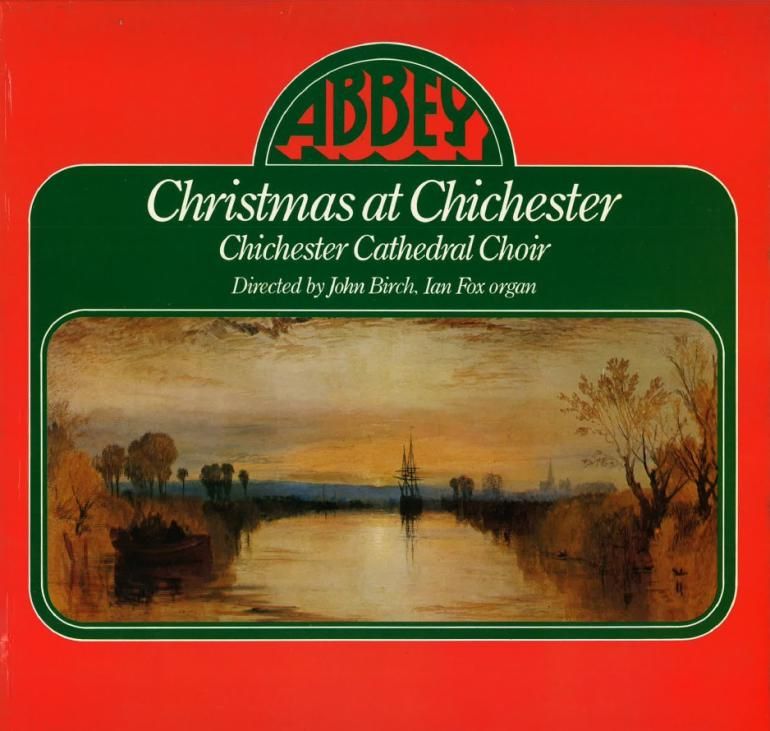
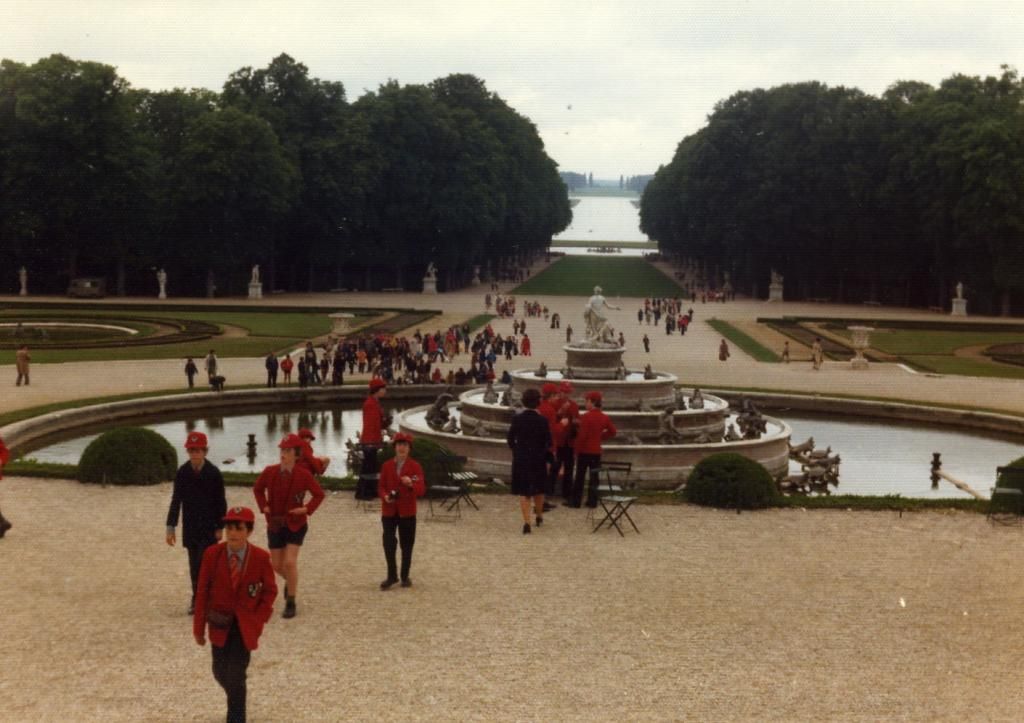
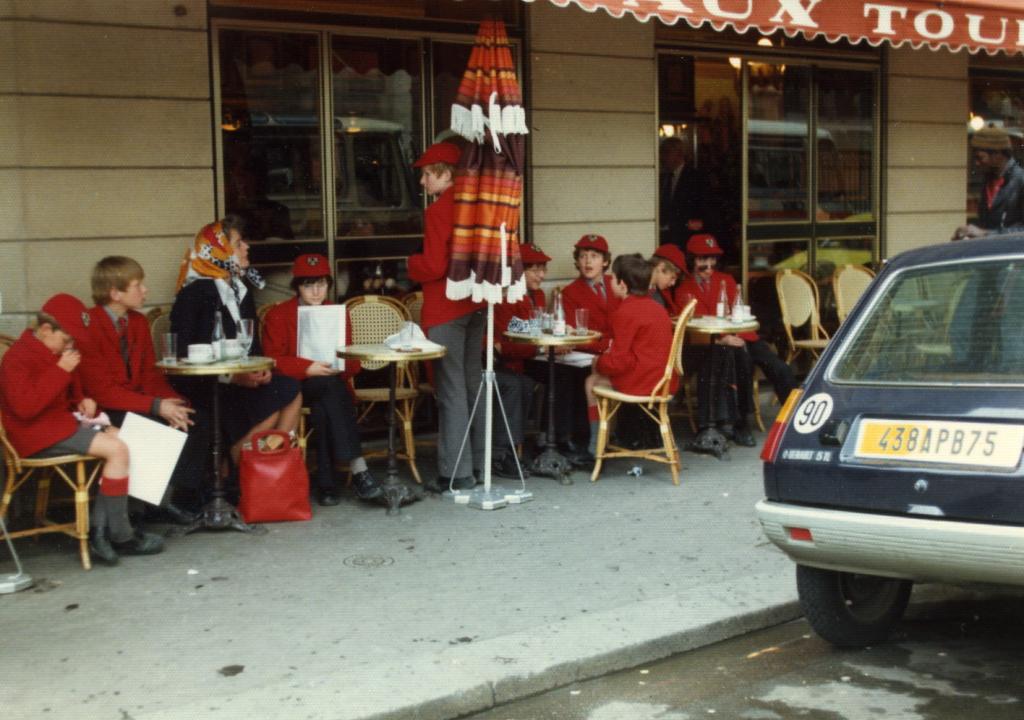
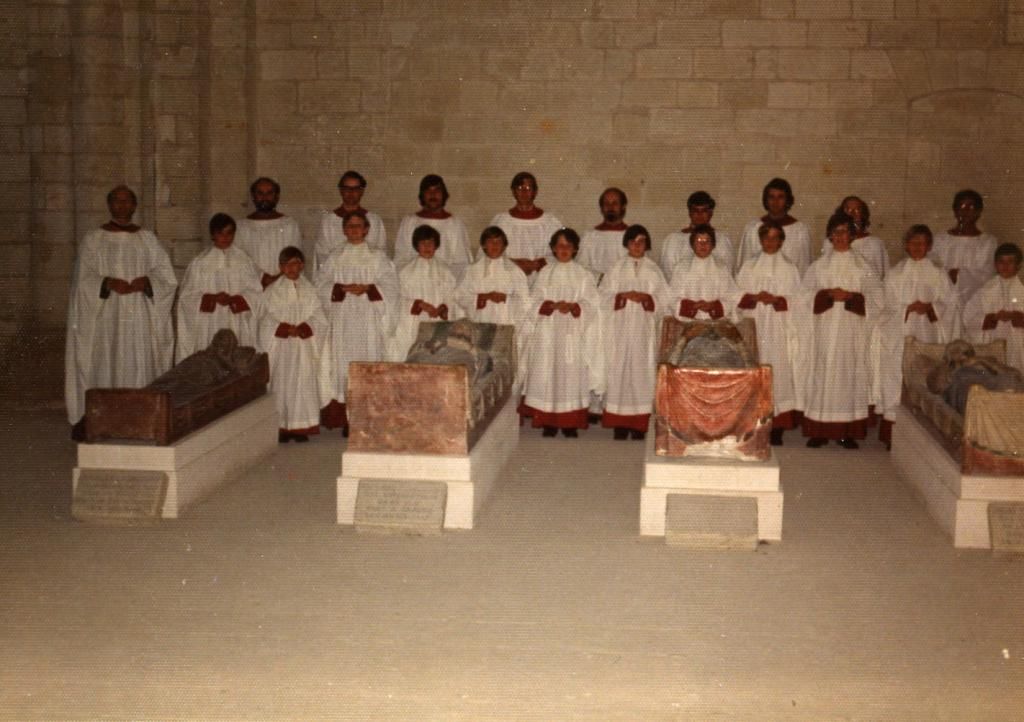
David’s final Christmas as a chorister came at the end of a remarkable year. The choir had travelled to perform in Paris, Chartres and Fontevraud. It had also sung in concerts and broadcasts, and made recordings with Abbey Records, including the LP Christmas at Chichester. This was alongside the eight sung services a week, instrumental concerts at school, the annual Southern Cathedrals Festival and the Christmas concerts at Chichester Festival Theatre. The life of a chorister was an extraordinary experience of performing regularly to the highest professional standards at an early age.
Chartres and a fascination with France
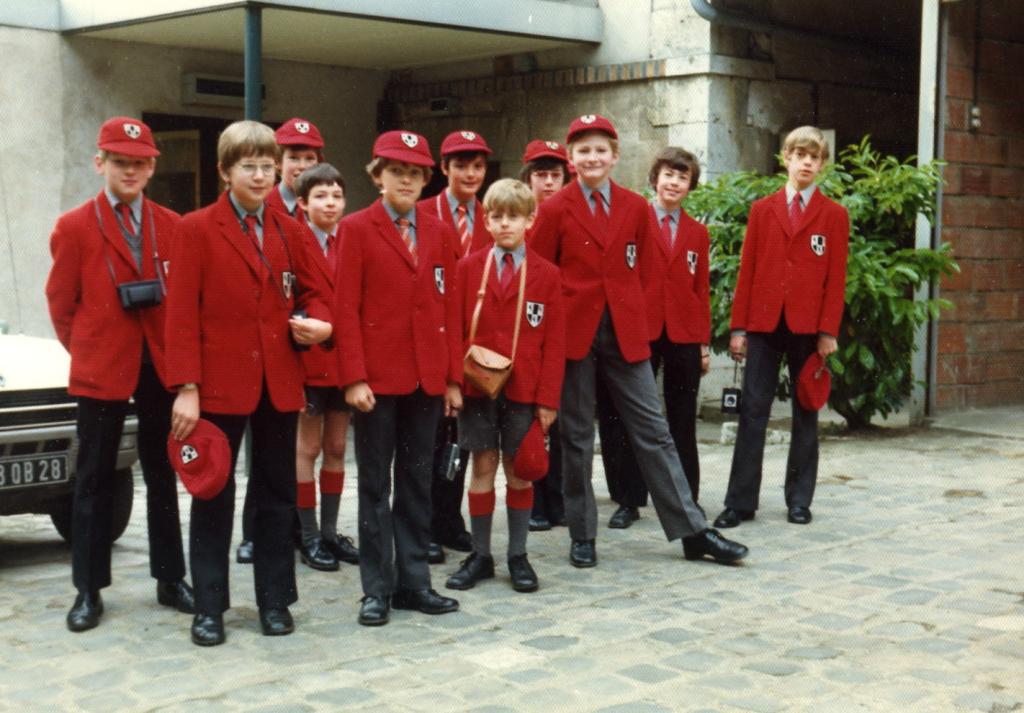
The Cathedral choir’s 1976 tour to France, which included performances at Chartres Cathedral and Fontevraud Abbey, as well as in Paris, would leave a profound and lasting impression on the 12-year-old David.
It was Chartres that particularly captured his imagination. David remembers being “absolutely awestruck” by its vast Gothic architecture, its astonishing beauty and its remarkable acoustic. The experience sparked a deep fascination with French cathedrals — a passion that has stayed with him ever since.
While there in Chartres at an official function with the Mayor, he remembers looking out at the Cathedral and thinking that he would one day like to live in France.
A very different career
After leaving Chichester, David continued his musical education, eventually becoming an organ scholar at Emmanuel College, Cambridge. But his life did not follow a straightforward musical path.
He went to Japan, learned Japanese and embarked on a successful business career. For around 16 years, music largely disappeared from his everyday life.
“I didn't play the organ at all, not even a piano — nothing,” he says. “And I missed it.”
Eventually, he decided to buy a piano, started practising again and gradually returned to the organ, initially trying to fit music around his business career.
One day he came across an advertisement for the organist’s post at St Martin-in-the-Fields. With so many years away from music, he didn't seriously expect to get it. But he applied anyway, thinking that the auditions and interviews would be good practice, and was genuinely surprised when he was offered the position.
The role proved demanding — it involved playing for numerous concerts and BBC broadcasts on top of the weekly round of choral services. With all the preparation this required, he had to say goodbye to the computer keyboard and hello to the organ keyboard once again. What had begun as an attempt to make some room for music in his life had suddenly become a new career.
That return eventually took David to France, bringing him full circle to the country that had first captured his imagination as a 12-year-old.
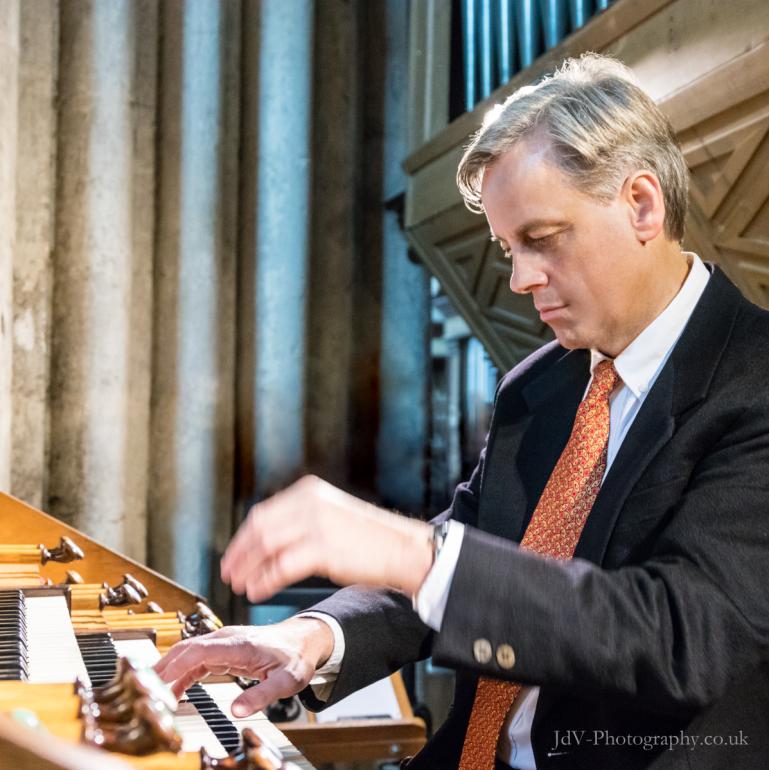
Today, David is Organiste Titulaire of the 12th-century Gothic collegiate church of Notre-Dame in Mantes-la-Jolie, near Paris, where he oversees its three organs. For more than 10 years, he has also served as Artistic Director of the city’s International Organ Festival. From this base, he travels regularly around the world to perform as a recitalist.
“The building is part of the instrument,” he explains. “You're playing the organ, but you're also playing the building.”
A tradition worth preserving
Looking back, David believes that being a Cathedral chorister gave him much more than a musical training. The discipline, preparation and experience of performing at a young age have stayed with him, both in music and in the very different world of business.
He also sees the English cathedral choral tradition as something truly precious and distinctive.
“The English choral tradition, cathedral choral tradition, is a unique treasure in the world,” he says. “I really hope it will be preserved and nurtured going forward.”
The English choral tradition, cathedral choral tradition, is a unique treasure in the world. I really hope it will be preserved and nurtured going forward.
David
Nearly 50 years after his final Christmas as a Chichester chorister, music and cathedrals are still very much part of David’s life, albeit now on the other side of the Channel.
Help give the gift of music to future generations
Chichester Cathedral's choristerships give young people the opportunity to experience an exceptional musical education, perform to a high standard and become part of a living tradition that has shaped the Cathedral for centuries.
You can help ensure that this opportunity remains available to future generations by sponsoring a chorister or supporting the Chichester Cathedral Platinum Endowment Trust for Music.